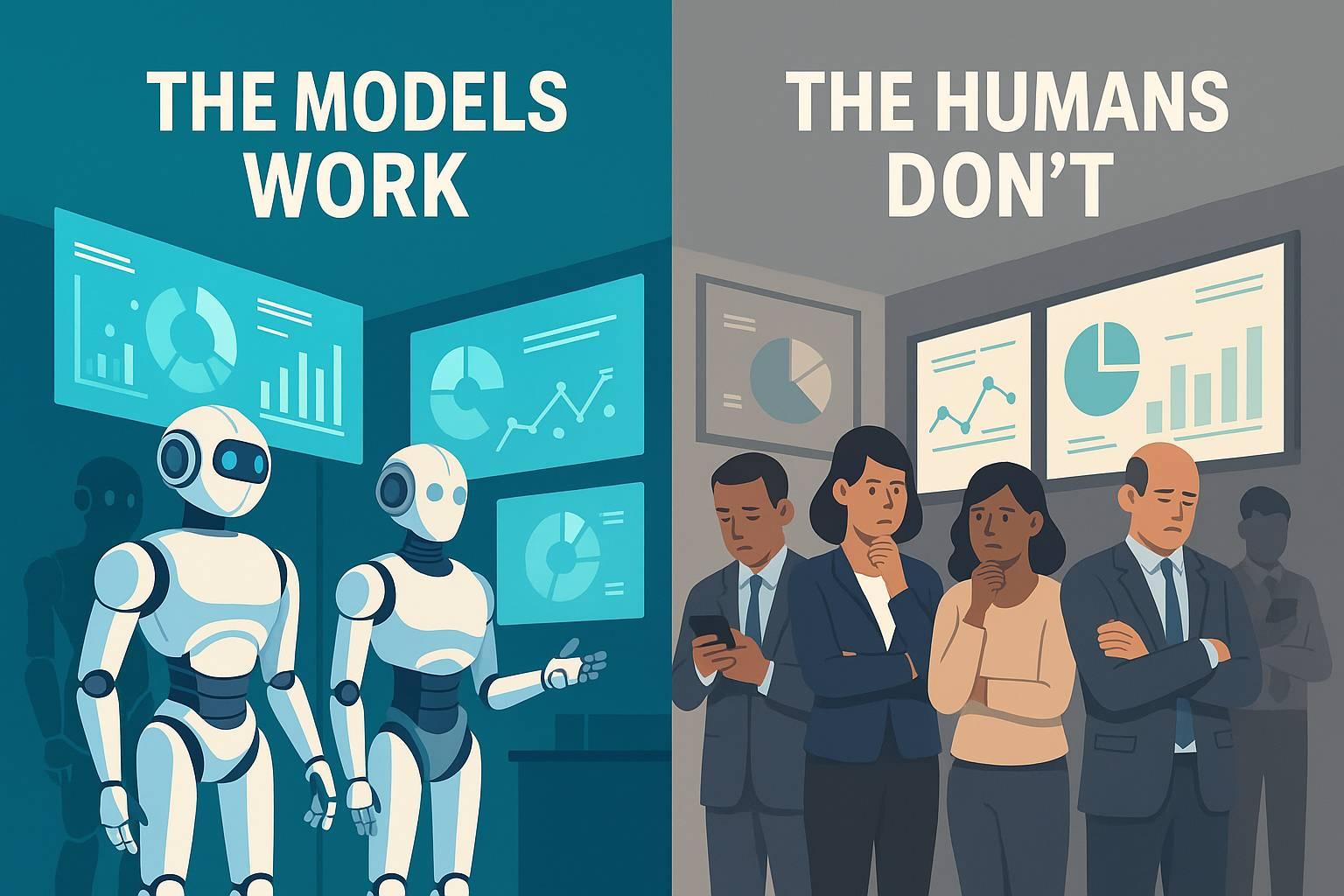
The most common mistake people make with AI is not using it too much or too little — it is using it for the wrong things. AI is exceptionally good at certain types of tasks and remarkably bad at others. Knowing the difference is the most practical AI skill you can develop.
What AI Handles Well
- Repetitive, pattern-based tasks. Summarizing meeting notes, categorizing emails, formatting data, extracting key points from documents. If you have done it a hundred times before, AI can probably do it faster.
- High-volume processing. Reviewing hundreds of applications, scanning thousands of transactions, comparing dozens of proposals. AI handles volume without fatigue.
- First drafts. Emails, reports, presentations, documentation. AI gives you something to react to instead of staring at a blank page.
- Research and synthesis. Gathering information on a topic, comparing options, summarizing lengthy documents. AI is an excellent research assistant.
- Routine communication. Status updates, acknowledgment emails, scheduling messages, standard replies. If the message follows a predictable pattern, AI can draft it.
What Needs Human Judgment
- Ethical decisions. Anything involving right and wrong, fairness, or moral trade-offs requires human reasoning and accountability.
- Empathy-dependent situations. Delivering difficult news, responding to grief or frustration, navigating interpersonal conflict. AI cannot genuinely care.
- Novel situations. When you are facing something genuinely new — a situation without clear precedent — AI will try to pattern-match to something familiar, which may be wrong.
- High-stakes decisions. Hiring, firing, medical recommendations, legal conclusions, financial commitments. The consequences are too significant to delegate.
- Relationship-dependent communication. Messages where the relationship matters as much as the content — negotiations, mentoring, sensitive feedback.
The Four-Question Test
When you are unsure whether to use AI for a task, ask these four questions:
- Is it repetitive? If you have done a similar task many times before with predictable patterns, AI is a good fit.
- What are the stakes? Low stakes (internal notes, first drafts) favor AI. High stakes (client deliverables, legal documents) favor human oversight.
- Does it need context AI does not have? If the task requires knowledge of office politics, unwritten rules, personal history, or emotional nuance, keep it human.
- Would someone expect a human? If the recipient would feel disrespected or dismissed learning that AI wrote the message, handle it yourself.
The Hybrid Approach
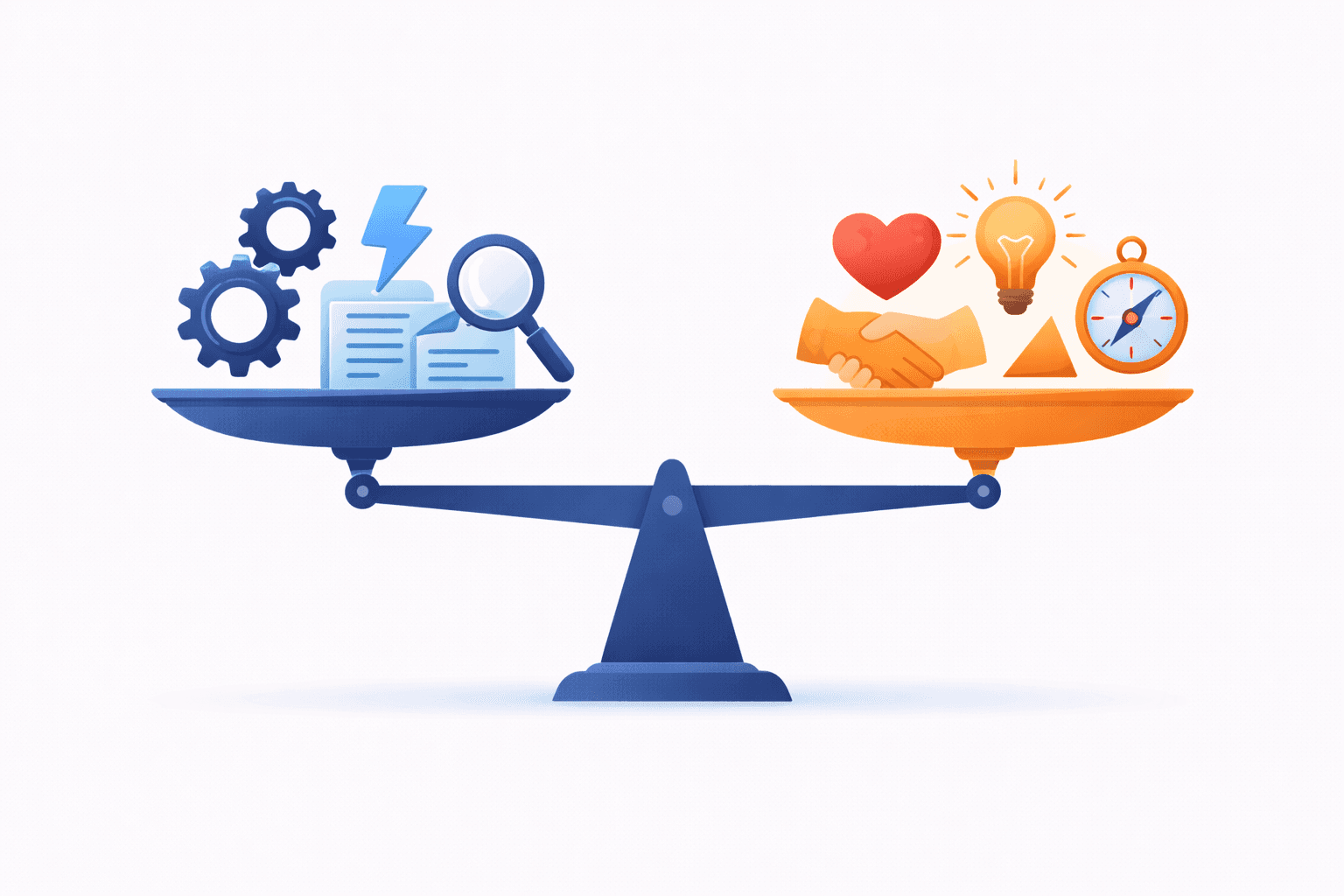
The most productive approach is rarely all-AI or all-human. It is breaking tasks into subtasks and assigning each to whoever handles it best. Let AI draft the report while you refine the recommendations. Let AI research the options while you make the decision. Let AI format the presentation while you craft the narrative.
Think of it this way: AI handles the draft, you handle the judgment. AI handles the volume, you handle the nuance. This complementary approach is where the real productivity gains live.
One final rule: accountability never transfers to AI. If you use AI to help with a task, you own the output. Always.